
Having thin hair can be a common concern for many women, often leading to feelings of insecurity and frustration. When your hair is so thin that you can see your scalp, it can be challenging to manage your hairstyle and boost your confidence. However, understanding the reasons behind thin hair and exploring effective solutions can help you regain your confidence and achieve healthier hair.
Table of content
My hair is so thin I can see my scalp female – what should I do?
If your hair is so thin that you can see your scalp, it may be a sign of hair loss or thinning hair, which can be caused by various factors such as genetics, hormonal changes, nutritional deficiencies, or stress. The good news is that there are several strategies you can adopt to improve the thickness and health of your hair. Here are some effective approaches:
1. Understand the Causes: The first step in addressing thin hair is to understand the underlying causes. Factors like genetics can play a significant role; if your family has a history of thin hair, you may be predisposed to it. Hormonal changes, particularly during pregnancy, menopause, or thyroid issues, can also affect hair density. Additionally, nutritional deficiencies, particularly in vitamins like B12, iron, and zinc, can lead to hair thinning.
2. Consult a Dermatologist: If you're concerned about your thinning hair, consider consulting a dermatologist or a trichologist. They can help diagnose any underlying conditions, such as alopecia or scalp issues, and recommend appropriate treatments or lifestyle changes.
3. Maintain a Balanced Diet: Nutrition plays a crucial role in hair health. Ensure that you consume a balanced diet rich in vitamins and minerals. Foods high in protein, like lean meats, fish, beans, and nuts, can promote hair growth. Incorporating fruits and vegetables rich in antioxidants, such as berries and spinach, can also help protect hair follicles.
4. Incorporate Hair-Boosting Supplements: If you're struggling to get enough nutrients from your diet, consider taking supplements designed to promote hair health. Look for supplements that contain biotin, collagen, and other essential vitamins that support hair growth.
5. Minimize Stress: High levels of stress can contribute to hair thinning. Engage in stress-reducing activities such as yoga, meditation, or regular exercise to help manage stress levels. These practices not only improve your mental health but can also positively impact your hair growth.
6. Choose the Right Hair Care Products: The products you use on your hair can make a significant difference. Look for shampoos and conditioners that are specifically designed for thinning hair. Ingredients like biotin, keratin, and caffeine can help strengthen hair follicles. Avoid heavy products that can weigh your hair down and make it look even thinner.
7. Avoid Heat and Chemical Treatments: Excessive use of heat styling tools and chemical treatments can damage your hair and exacerbate thinning. Try to limit the use of blow dryers, curling irons, and straighteners. If you must use them, apply a heat protectant to minimize damage.
8. Consider Hair Styles That Add Volume: Certain hairstyles can help create the illusion of thicker hair. Opt for layered cuts or styles that add volume at the roots. Avoid hairstyles that pull tightly on your hair, as they can lead to further thinning.
9. Explore Professional Treatments: If you've tried various methods without success, you may want to explore professional treatments. Options such as laser therapy, PRP (Platelet-Rich Plasma) therapy, or hair transplant procedures can be effective for some individuals. Consult with a specialist to determine the best treatment plan for your situation.
10. Be Patient: Improving the thickness of your hair takes time. Be patient and consistent with your hair care routine and any treatments you choose to pursue. It may take several months to see significant changes, but with dedication, you can achieve healthier and fuller hair.
In conclusion, if your hair is so thin that you can see your scalp, it’s essential to identify the causes and take proactive steps to address the issue. By understanding the factors contributing to your hair thinning and implementing effective strategies, you can work towards achieving healthier, thicker hair. Remember, seeking professional advice is always a good idea to get personalized recommendations based on your unique situation.
Tired of Thinning Hair? Try a Clinically Tested Serum.
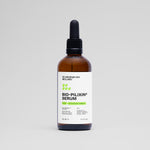
Looking for a natural way to regrow hair and achieve a thicker, fuller head of hair? Ditch the stinging nettle for hair loss – Bio-Pilixin Serum is a drug-free hair activation serum that delivers clinically tested results.
Here's why Bio-Pilixin is superior:
- Clinically Tested Results: 93% of users saw a reduction in hair loss, and 73% experienced increased hair density.
- Safe and Natural: Unlike harsh chemicals, Bio-Pilixin uses plant growth factors derived from stem cell technology to nourish hair follicles and stimulate growth.
- Fast-Acting: See visible results in as little as 45 days (most typically see results within 150 days).
Stop wasting time on unproven remedies. Bio-Pilixin is the safe, natural serum you've been searching for.
Read more:
- The 11 Best Dermatologists Recommended Shampoos To Buy In the UK (2025)
- 13 Best Shampoos For Volume To Buy in the UK (2025)
- The 7 Best Shampoo For Older Women To Buy in 2025
As your leading source for hair health information over the past 4 years, we never compromise on accuracy. When it comes to your health, you deserve information you can truly rely on - and earning your trust is our top priority.
Here's how Scandinavian Biolabs ensures every piece of content meets the highest standards of accuracy and integrity:
- Credentialed Experts: Our reviewers are actively practicing doctors and medical researchers
- Stringent Reviews: Content undergoes rigorous editing by subject specialists and review by a practicing doctor.
- Evidence-Based: We rely on well-established research from trusted scientific sources like peer-reviewed journals and health authorities.
- Full Transparency: Our editorial standards, writer credentials, reviewer credentials, correction process, and funding are all publicly documented.
- Independent Voice: While we do promote products, we operate in a vacuum to business operations. Our main goal is just an unwavering commitment to providing medically-sound guidance.
You can count on Scandinavian Biolabs to consistently deliver the trustworthy health information you deserve. Read our Editorial Standards.