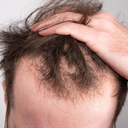
Hair loss is a common concern that affects millions of people around the world. While genetics play a significant role, hormonal changes are often at the forefront of this issue. Understanding the hormones that contribute to hair loss can help individuals find effective treatments and solutions.
What hormone causes hair loss?
The primary hormone associated with hair loss is dihydrotestosterone (DHT). DHT is a derivative of testosterone and is known to shrink hair follicles, leading to thinning hair and eventual hair loss. This process is particularly prevalent in individuals with a genetic predisposition to androgenetic alopecia, commonly referred to as male or female pattern baldness. Elevated levels of DHT can disrupt the hair growth cycle, shortening the anagen phase (the growth phase) and prolonging the telogen phase (the resting phase), resulting in reduced hair density over time.
In addition to DHT, other hormones can also influence hair loss. For instance, estrogen levels can impact hair growth, especially in women. During menopause, the decline in estrogen can lead to increased hair thinning. Similarly, thyroid hormones play a critical role; both hypothyroidism and hyperthyroidism can lead to hair loss due to imbalances in the body's metabolic processes.
Stress can also trigger hormonal changes that may result in hair loss. The body produces cortisol, a stress hormone, which can disrupt normal hair growth patterns. Chronic stress often leads to conditions such as telogen effluvium, where a significant number of hair follicles enter the telogen phase prematurely, causing noticeable shedding.
Understanding the role of these hormones is essential for those experiencing hair loss. Treatments targeting DHT, such as finasteride, are commonly prescribed for androgenetic alopecia. For women, hormone replacement therapy may help manage hair loss related to estrogen deficiency. Additionally, addressing thyroid imbalances can reverse hair loss caused by thyroid dysfunction.
Natural remedies and lifestyle changes can also support hormonal balance and hair health. Maintaining a healthy diet rich in vitamins and minerals, particularly those that support hormone production like zinc, iron, and vitamins A and D, can promote hair growth. Regular exercise helps manage stress and balance hormones, further supporting hair health.
In conclusion, while DHT is the primary hormone responsible for hair loss, other hormones, including estrogen and thyroid hormones, also play significant roles. Understanding these hormonal influences can aid in selecting effective treatments for hair loss and foster a proactive approach to maintaining healthy hair.
Tired of Thinning Hair? Try a Clinically Tested Serum.
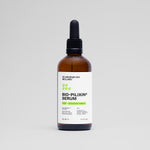
Looking for a natural way to regrow hair and achieve a thicker, fuller head of hair? Ditch the stinging nettle for hair loss – Bio-Pilixin Serum is a drug-free hair activation serum that delivers clinically tested results.
Here's why Bio-Pilixin is superior:
- Clinically Tested Results: 93% of users saw a reduction in hair loss, and 73% experienced increased hair density.
- Safe and Natural: Unlike harsh chemicals, Bio-Pilixin uses plant growth factors derived from stem cell technology to nourish hair follicles and stimulate growth.
- Fast-Acting: See visible results in as little as 45 days (most typically see results within 150 days).
Stop wasting time on unproven remedies. Bio-Pilixin is the safe, natural serum you've been searching for.
Read more:
- The 11 Best Dermatologists Recommended Shampoos To Buy In the UK (2025)
- 13 Best Shampoos For Volume To Buy in the UK (2025)
- The 7 Best Shampoo For Older Women To Buy in 2025
As your leading source for hair health information over the past 4 years, we never compromise on accuracy. When it comes to your health, you deserve information you can truly rely on - and earning your trust is our top priority.
Here's how Scandinavian Biolabs ensures every piece of content meets the highest standards of accuracy and integrity:
- Credentialed Experts: Our reviewers are actively practicing doctors and medical researchers
- Stringent Reviews: Content undergoes rigorous editing by subject specialists and review by a practicing doctor.
- Evidence-Based: We rely on well-established research from trusted scientific sources like peer-reviewed journals and health authorities.
- Full Transparency: Our editorial standards, writer credentials, reviewer credentials, correction process, and funding are all publicly documented.
- Independent Voice: While we do promote products, we operate in a vacuum to business operations. Our main goal is just an unwavering commitment to providing medically-sound guidance.
You can count on Scandinavian Biolabs to consistently deliver the trustworthy health information you deserve. Read our Editorial Standards.
Hormonal Hair Loss By Life Stage
DHT isn't the only hormonal trigger worth knowing about — contraception, pregnancy, and menopause each interact with hair growth in their own way.
Contraception
Hormonal contraceptives can affect hair in either direction depending on the formulation. Some progestins have androgenic activity that may contribute to shedding in people already predisposed to pattern hair loss, while switching to a different formulation sometimes settles the issue. Anyone noticing new shedding after starting or changing a contraceptive is usually best advised to raise it with whoever prescribed it, rather than switching again without guidance.
Pregnancy and the postpartum period
Rising oestrogen during pregnancy typically keeps more hairs in the growth phase, which is why hair often looks fuller at the time. Once oestrogen drops after birth, those hairs move into the shedding phase together, causing the noticeable postpartum shedding many new mothers see a few months after delivery. This is expected and usually settles within a year without treatment.
Menopause
As oestrogen declines during perimenopause and menopause, its supportive effect on the hair growth cycle lessens, which can lead to increased shedding or diffuse thinning across the top of the scalp. This can happen alongside, or independently of, genetic pattern hair loss, which is why it's often worth a professional opinion to identify which is driving the change.
FAQ
I've just switched contraceptive pills and I'm shedding more than usual — is that normal? It can be, particularly with certain progestin types. It's worth mentioning to whoever prescribed it, since a different formulation sometimes resolves it, rather than assuming it will settle on its own.
Will postpartum hair loss stop on its own? For most people, yes — it typically eases within six to twelve months as the hair cycle re-settles. If it continues well beyond a year, or looks patterned rather than diffuse, that's worth checking with a doctor.
Is hair thinning during menopause the same as pattern hair loss? Not necessarily — the two can look similar but have different underlying drivers, and they can also occur together. A dermatologist can help tell them apart and advise on options suited to each.